FACTS & KNOWLEDGE
TÉNYEK & TUDÁSTÁR
GYÜMÖLCS = Egészség + Szépség + Boldogság!
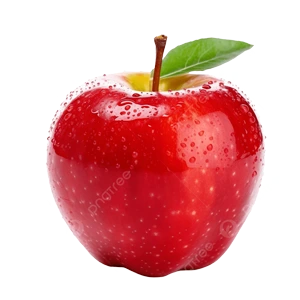
Apple
Its high fiber content (pectin) supports digestion and helps maintain a healthy gut microbiome. It is rich in vitamin C, flavonoids, and antioxidants, which support the cardiovascular system. It provides a lasting feeling of fullness and may also help stabilize blood sugar levels.

Banana
An excellent source of potassium, which supports muscle and nervous system function. It contains vitamin B6, magnesium, and natural sugars, providing quick and sustained energy. It may aid recovery and is gentle on the stomach.

Pear
A high-fiber fruit that supports digestion and bowel function. It contains vitamin C, vitamin K, and antioxidants. Gentle on the stomach, and due to its low acidity, it is an ideal choice for those with sensitive digestion.

Orange
An excellent source of vitamin C, it strengthens the immune system and helps with iron absorption. It contains flavonoids, fiber, and potassium. Refreshing and hydrating, it contributes to cellular protection.

Mandarin
Rich in vitamin C, antioxidants, and fiber. Easy to peel, making it a convenient snack. Supports the immune system, promotes healthy skin, and naturally contributes to daily hydration.

Peach
A high water-content, refreshing fruit rich in vitamins A, C, and E. Its antioxidants support cell protection and skin health. Easy to digest, it is an ideal hydrating choice for summer.

Nectarine
Similar to peaches, but may contain more antioxidants and vitamin C. Rich in fiber, it supports digestion. Refreshing and low in calories, it supports cellular health and the immune system.
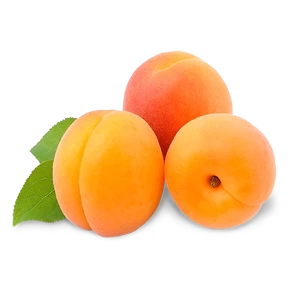
Apricot
Exceptionally rich in beta-carotene, which supports vision and skin health. It contains potassium, fiber, and vitamin C. It aids digestion and contributes to cellular protection.
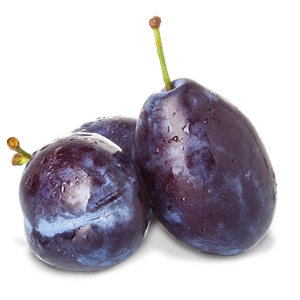
Plum
Its high fiber content supports digestion and has a natural laxative effect. It is rich in antioxidants, vitamin K, and potassium. It supports gut health and contributes to bone strength.

Cherry
Rich in antioxidants, especially anthocyanins, which may help reduce inflammation. It contains vitamin C and potassium. It may contribute to muscle recovery and improve sleep quality.

Strawberry
High in vitamin C and a powerful source of antioxidants. It contains folate, manganese, and fiber. It supports the immune system, promotes skin health, and may contribute to heart protection.

Grapes
Rich in resveratrol and other antioxidants that support the cardiovascular system. Its natural sugar content provides quick energy. It also contains vitamin K and potassium.

Pineapple
Contains the enzyme bromelain, which helps break down proteins and aids digestion. Rich in vitamin C, manganese, and antioxidants. It may have anti-inflammatory effects.

Grapefruit
High in vitamin C and antioxidants. It may help boost metabolism and regulate blood sugar levels. It contains flavonoids and fiber that support heart health.

Pomelo
A fiber-rich, low-calorie fruit. It contains vitamin C, potassium, and antioxidants. It provides long-lasting satiety, supports digestion, and contributes to immune system function.
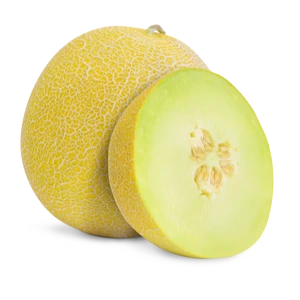
Cantaloupe
High in water content, making it an excellent hydrator. Rich in vitamins A and C, as well as antioxidants. It supports skin health and helps replenish fluids in warm weather.

Watermelon
Very high in water content, making it an excellent thirst quencher. It contains lycopene, vitamin C, and antioxidants. It helps maintain hydration and may support heart health.

Kivi
Extremely rich in vitamin C, and also contains vitamin E, fiber, and potassium. It supports the immune system, aids digestion, and has antioxidant properties.

A source of vitamins and minerals
Fruits and vegetables are natural sources of vitamins and minerals that are essential for the body. Regular consumption strengthens the immune system, supports the body’s functions, and contributes to maintaining good health.

Beautiful and healthy skin
Regular consumption of fruits and vegetables has a positive effect on the condition of the skin. The vitamins and antioxidants they contain support the skin’s natural protection, help maintain hydration, and contribute to a healthy, radiant appearance.

Ideal body weight, weight loss
Consuming 400–700 g of fruits and vegetables daily helps prevent obesity. Eat fruit between meals: their low calorie content (100 g = 30–40 kcal) makes them ideal for healthy weight loss.

Fruit fibers for balanced gut microbiome function
Fruit fibers support the health of the stomach and intestines, reduce hunger, and bind harmful substances produced during digestion, thereby contributing to a balanced diet.

Blood pressure–lowering effect
The Hungarian diet is typically characterized by excessive salt intake and insufficient potassium, which increases the risk of high blood pressure and heart disease. Regular consumption of fruits and vegetables helps restore the sodium/potassium balance and reduces this risk.

Cholesterol-lowering effect
Plant fibers, such as pectins, slow the absorption of sugars and fats, helping to reduce cholesterol levels and support cardiovascular health.

Fruits and vegetables for disease prevention
30–40% of cancers can be prevented through a diet rich in fruits and vegetables. Plant-based antioxidants reduce the risk of heart disease, cancer, and arthritis, and support healthy aging.
WRITE TO US!
If you have any questions, please contact us!